OEMs building industrial equipment, transportation systems, material handling equipment, agricultural machinery, and other large-scale products often rely on heavy steel structure fabrication to produce the structural components that support performance, durability, and safety.
Understanding the fabrication process and the factors that influence cost can help engineering and procurement teams make better sourcing decisions and avoid unnecessary production challenges.
What Is Heavy Steel Structure Fabrication?
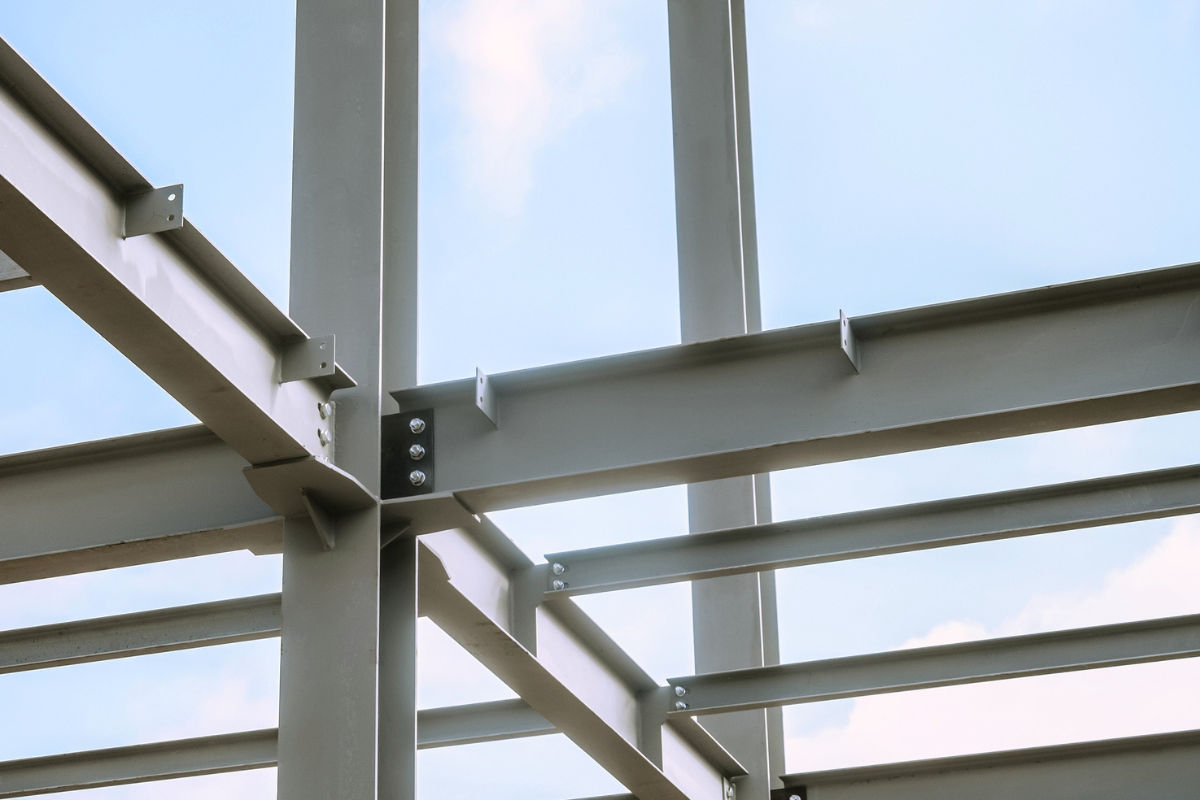
Heavy steel structure fabrication is the process of transforming raw steel plate, structural shapes, tubing, and other materials into large, load-bearing assemblies used in industrial and commercial applications.
Unlike light-gauge sheet metal fabrication, heavy fabrication typically involves thicker materials, larger weldments, and more complex structural requirements. Components are often designed to withstand high loads, vibration, harsh environments, and long service lives.
Common examples include:
- Equipment frames
- Structural platforms and walkways
- Vehicle chassis and support structures
- Material handling equipment
- Industrial machinery bases
- Agricultural equipment components
- Large welded assemblies
Many OEMs require a fabrication partner capable of supporting the entire manufacturing process, from material processing through final assembly.
The Heavy Steel Fabrication Process
While every project has unique requirements, most heavy steel fabrication projects follow a similar workflow.
1. Engineering Review and Design for Manufacturability
Successful projects begin with a thorough review of drawings, specifications, tolerances, and material requirements.
Manufacturers that provide Design for Manufacturability (DFM) support can often identify opportunities to reduce production costs, simplify assemblies, improve weld access, and shorten lead times before fabrication begins.
2. Material Processing
Raw materials must be cut and prepared before fabrication can begin.
Common processing methods include:
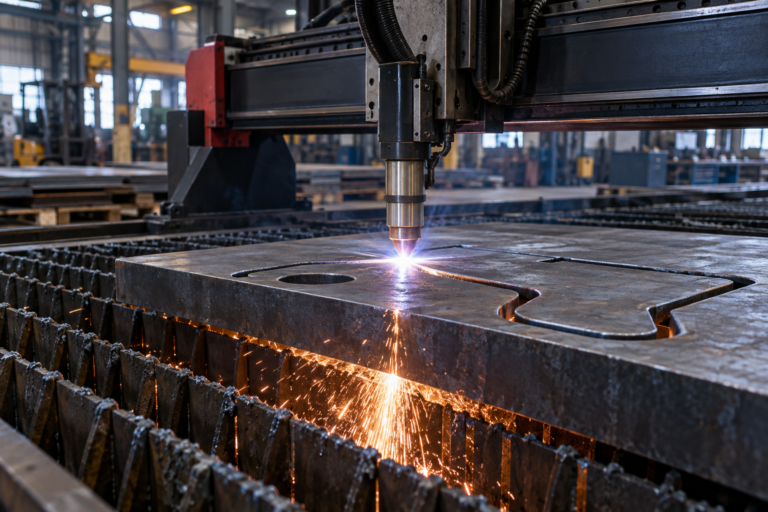
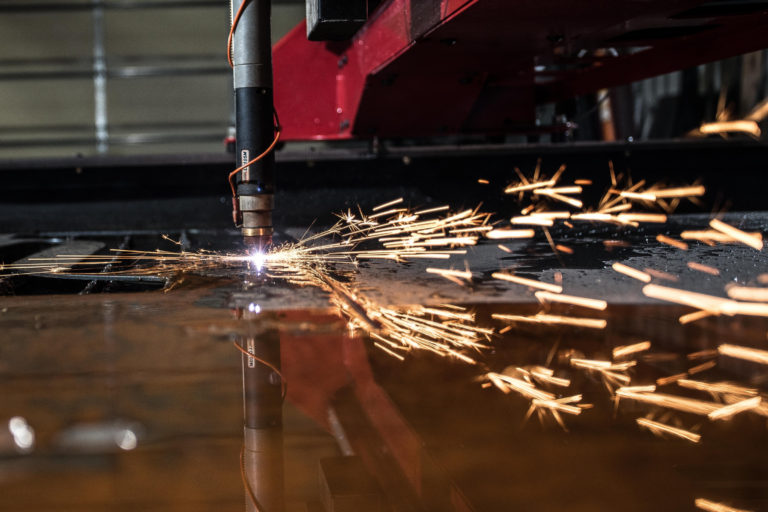
- Laser cutting
- Plasma cutting
- Sawing
- Shearing
- Hole making
- Edge preparation
Precision cutting is essential because errors at this stage can affect downstream forming, welding, and assembly operations.
3. Forming and Bending
After cutting, components may be shaped using press brakes, rollers, or specialized forming equipment.
Depending on the application, fabrication shops may perform:
- Plate rolling
- Structural forming
- Tube bending
- Pipe bending
- Custom forming operations
These processes allow engineers to achieve complex geometries while maintaining structural integrity.
4. Welding and Assembly
Welding is often the most labor-intensive phase of heavy steel structure fabrication.
Fabricators must carefully control:
- Joint preparation
- Weld sequencing
- Distortion management
- Heat input
- Inspection requirements
Large assemblies may require multiple welding processes and fixture setups to maintain dimensional accuracy.
For OEMs producing heavy equipment and industrial products, selecting a fabrication partner with extensive welding expertise can significantly impact product quality and long-term reliability.
5. Finishing and Inspection
Before shipment, fabricated structures typically undergo inspection and finishing operations.
Depending on project requirements, this may include:
- Dimensional verification
- Weld inspections
- Surface preparation
- Coating preparation
- Assembly validation
Key Capabilities OEMs Should Look For During Their Heavy Steel Fabrication Projects
Not all fabrication suppliers are equipped to handle large structural projects.
When evaluating providers of industrial metal fabrication services, OEMs should look for capabilities such as:
Advanced Cutting Technology
High-definition laser and plasma cutting improve accuracy, consistency, and material utilization.
Heavy Welding Expertise
Large structural assemblies often require certified welding procedures, experienced welders, and the ability to manage distortion on thick materials.
Forming and Bending Capabilities
In-house tube bending, pipe bending, rolling, and forming reduce outsourcing requirements and improve schedule control.
Assembly Services
Fabricators that can deliver complete welded assemblies reduce logistical complexity and supplier management challenges.
Scalability
Some projects begin with prototypes and evolve into recurring production programs. Fabricators should be able to support both low-volume and higher-volume manufacturing requirements.
Metal Services supports a broad range of fabrication operations including welding, metal fabrication, laser and plasma cutting, pipe and tube bending, machining, and millwright services.
Major Cost Factors in Heavy Steel Structure Fabrication
Fabrication costs are influenced by much more than material pricing. Consider these key factors as you estimate the cost of your heavy steel project.
Material Selection
Steel grade, thickness, availability, and market conditions directly impact project cost.
Higher-strength materials may reduce weight but often require additional processing considerations.
Part Complexity
Components with numerous features, tight tolerances, complex geometries, or extensive weld requirements typically require more labor and machine time.
Welding Requirements
Large weld volumes increase labor hours, consumable usage, inspection requirements, and production time.
In many heavy fabrication projects, welding represents one of the largest cost contributors.
Quantity and Production Volume
Prototype builds often carry higher per-unit costs because setup and programming expenses are spread across fewer parts.
Production runs can significantly improve manufacturing efficiency.
Secondary Operations
Finishing, machining, assembly, coatings, and testing all add cost but may reduce overall supply chain complexity when sourced from a single supplier.
Choosing the Right Fabrication Partner
Heavy steel structure fabrication plays a critical role in the performance and durability of industrial products.
Metal Services of Blooming Prairie provides comprehensive custom fabrication for manufacturing applications, including cutting, forming, welding, machining, and assembly services.
If you’re evaluating suppliers for your next heavy fabrication project, request a quote from our team to discuss your specifications and manufacturing requirements: Request A Quote